This article originally appeared on wric.com
A heat wave is hitting the East Coast, and that means illness and ER visits if the right precautions aren’t taken.
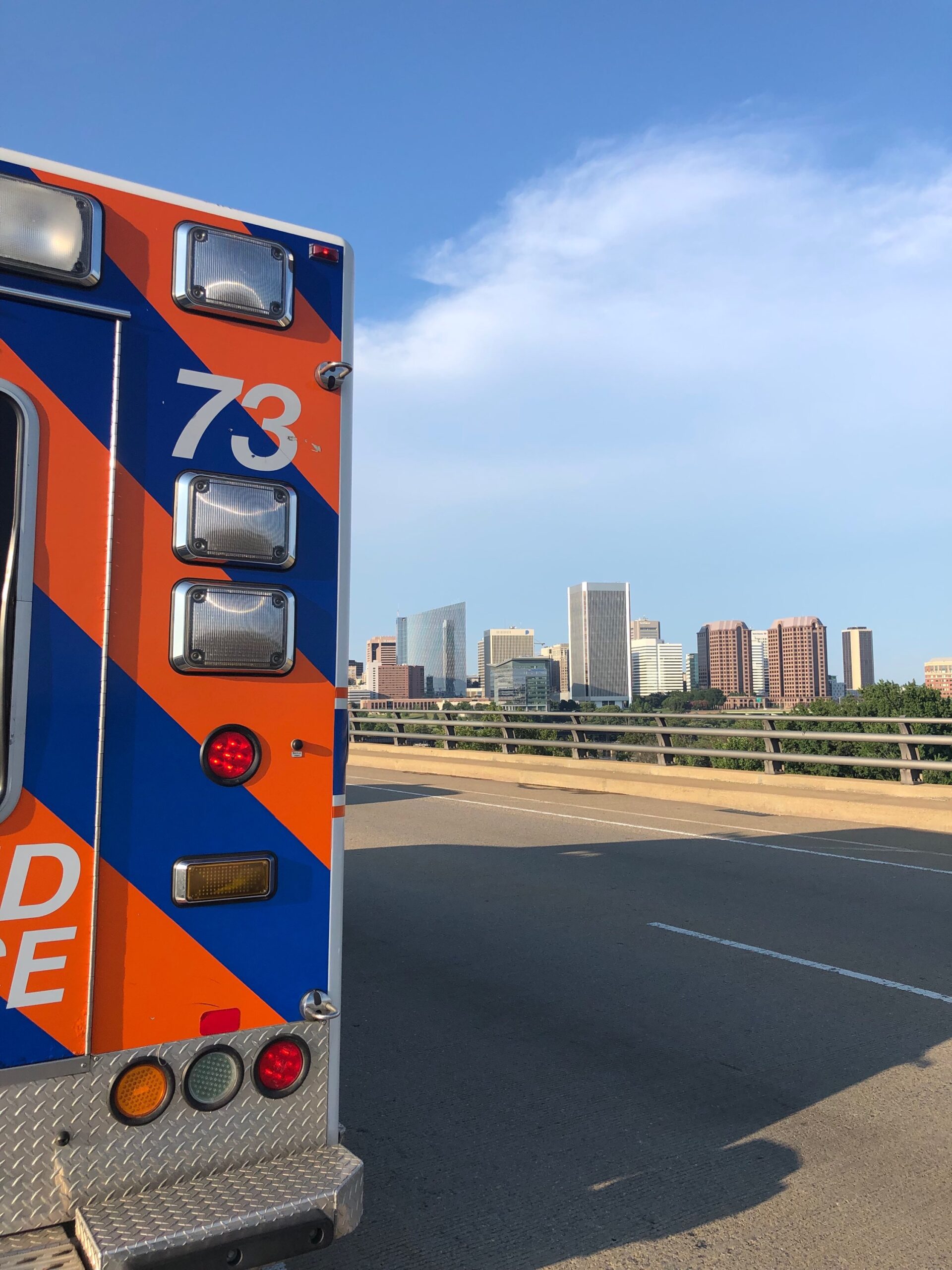
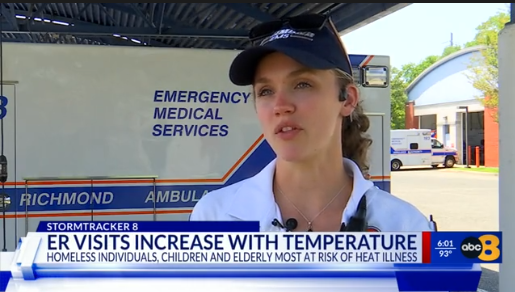
High temperatures are already taking a toll on the community and the first responders who are there to help. Richmond Ambulance Authority Lieutenant Christy Pritt said she saw three cases before noon on the first day of the wave.
“A lot of people are outside trying to enjoy the weather but you you know with this heat, it’s humid, it’s also kind of dry. We’re starting to get some droughts. We’re expecting our numbers to go up significantly,” Pritt said.
Those at high risk include homeless individuals, children and the elderly. With that expected increase, emergency services and hospitals are preparing, if they aren’t already ready.
“We are ready. We have all the equipment that we need to do active cooling,” said Dr. Dee Willis, VCU Emergency Medicine Physician. “I think it’s just an awareness too, just making sure that we keep that on our differentials when we’re seeing someone come in with various symptoms that could be related to heat.”
The Virginia Department of Health reported that over the last two months, there have been nearly 1,300 ER visits for heat-related illness. That’s over 300 more visits than the average by this time each year.
Chesterfield, Henrico and Richmond are among the highest heat-related visit counts in the state.
“It’s definitely concerning. And I think the best thing that we can do is just increase awareness because prevention is the best treatment,” Willis said.
People should be on the lookout for the different stages of heat illness. Heat cramps and sweating are the beginning signs, followed by excessive sweating and nausea which could mean heat exhaustion. If active cooling has not started by this stage, a heat stroke could begin when the body stops sweating and confusion and hallucination start.
To prevent illness, try to limit your time outdoors and stay hydrated even when you aren’t thirsty.
“We try to educate as much as possible to prevent people from getting to that more life-threatening stage. So staying cool, staying in shady areas, drinking water, that will usually prevent a lot of the life-threatening emergencies,” Pritt said.
Cooling centers are set up throughout the area, offering water and a temporary relief from the high temperatures.