This article originally appeared on 12onyourside.com
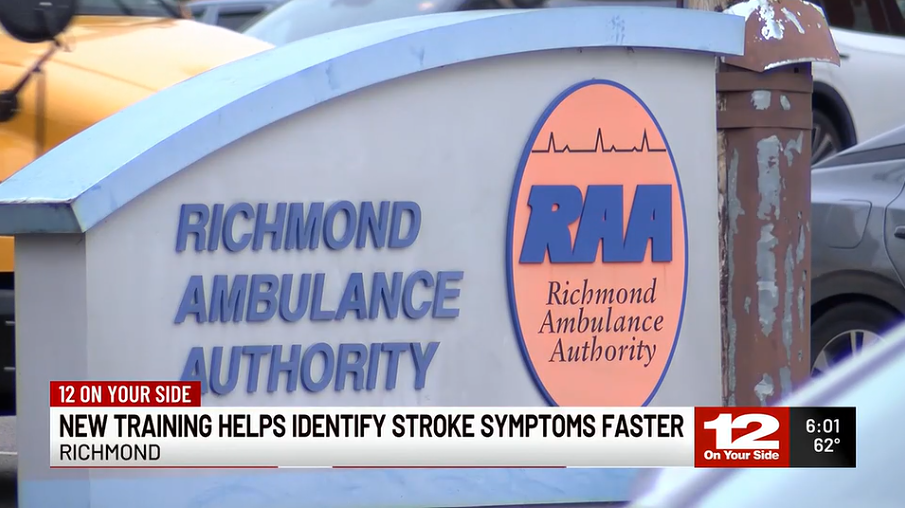
The Richmond Ambulance Authority has become the first EMS agency in Virginia to train all of its staff on a new stroke detection program from the American Heart Association.
The program, called International Essential Stroke Life Support (ESLS), is designed to help paramedics diagnose stroke patients faster.
Harold Mayfield, training coordinator for Richmond Ambulance Authority, said the agency responds to approximately 70,000 calls per year, with about 600 being stroke cases.
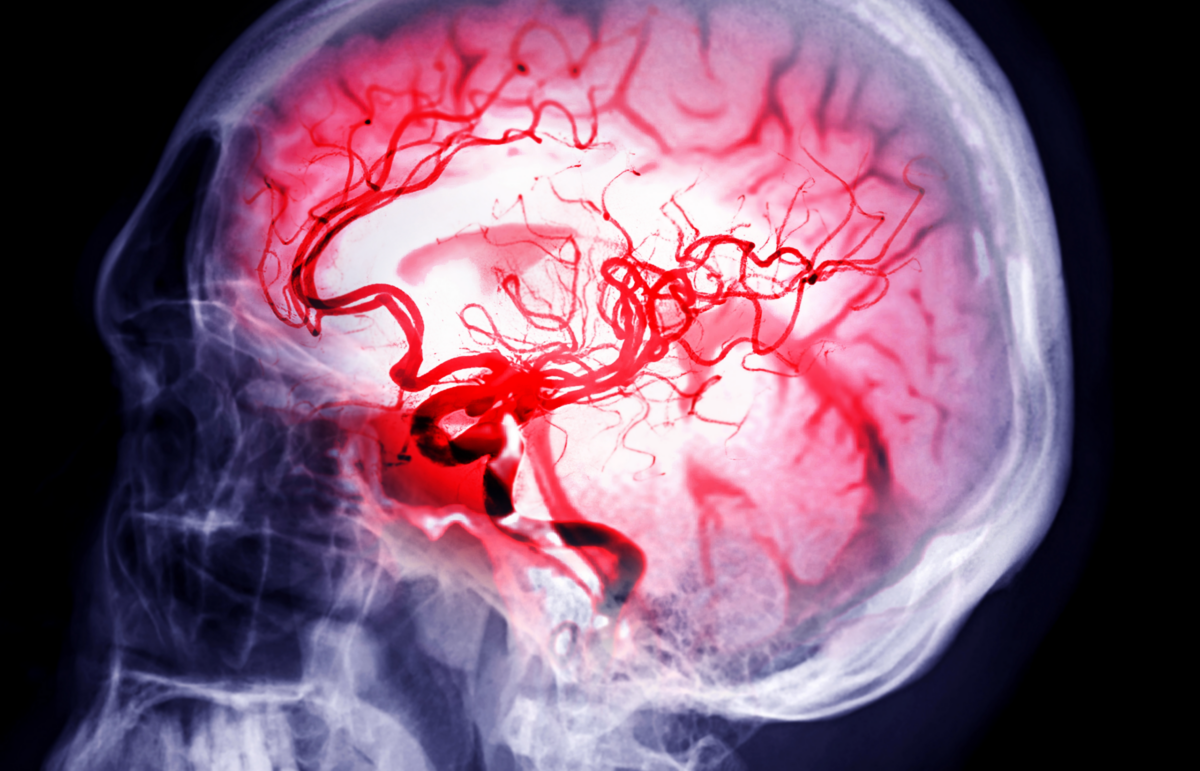
“Time is tissue. So the longer it takes, the more brain tissue dies. And unfortunately, brain tissue is one of those tissues that does not regenerate. So once it’s gone, it’s gone. So the sooner we are to identify and treat, the better the outcome they’re going to have,” Mayfield said.
The training focuses heavily on the acronym “BEFAST” — checking a potential stroke victim’s balance and coordination, eyes, face, arms, speech and timing of symptoms.
Stroke is the fifth-leading cause of death in the United States and the leading cause of long-term disability.
Research suggests winter increases stroke risk because as temperatures drop, blood vessels constrict, blood pressure increases and people become more prone to clotting.
Evonne Rooks, a stroke survivor who was trained on BEFAST during her time working at St. Mary’s Hospital, had no idea her headache in the summer of 2023 was actually a massive stroke.
“Oh my gosh, it was like the pain of a migraine, times 50,” Rooks said.
She suffered with the powerful headache for a day and half before doctors discovered the stroke, which covered 75 percent of her cerebellum.
The stroke occurred a week before her 29th birthday.
Rooks recalls being in disbelief because she was otherwise healthy.
“Did you just say I had a stroke at 28? And then it’s like, did you just tell me I wasn’t gonna see 29? Like, I wasn’t gonna get out of here and go home to my babies? Like it was, it was so many emotions, and I was overwhelmed,” Rooks said.
Hospital officials said they were told if they had known what was happening when Rooks arrived, she would have been in ICU.
Denise Laine, neuroscience program director at CJW Medical Center, said the new advanced stroke training gets patients to the hospital faster and helps staff better prepare.
“Every second is very critical. So to be able to have this handoff and partnership with them, and then having this training is just such a benefit for our patients in our community,” Laine said.
Rooks said she is thankful to still be around for her husband and five-year-old son.
“I’m thankful that I’m still here to watch him grow into all that he is now. That was the hardest part of my recovery, is knowing that there was a point that I could, I could have not been here for this,” Rooks said.
Lifestyle Tips For Stroke Prevention:
- Exercise regularly and be active
- Stop smoking
- Eat a healthy balanced diet with fruits and vegetables
- Reduce saturated and trans fats
- Reduce salt and sugar intake
- Limit alcohol intake
- Take medications as prescribed