Richmond Ambulance Authority Looks to Diagnose Stroke Patients More Quickly Through New American Heart Association Training
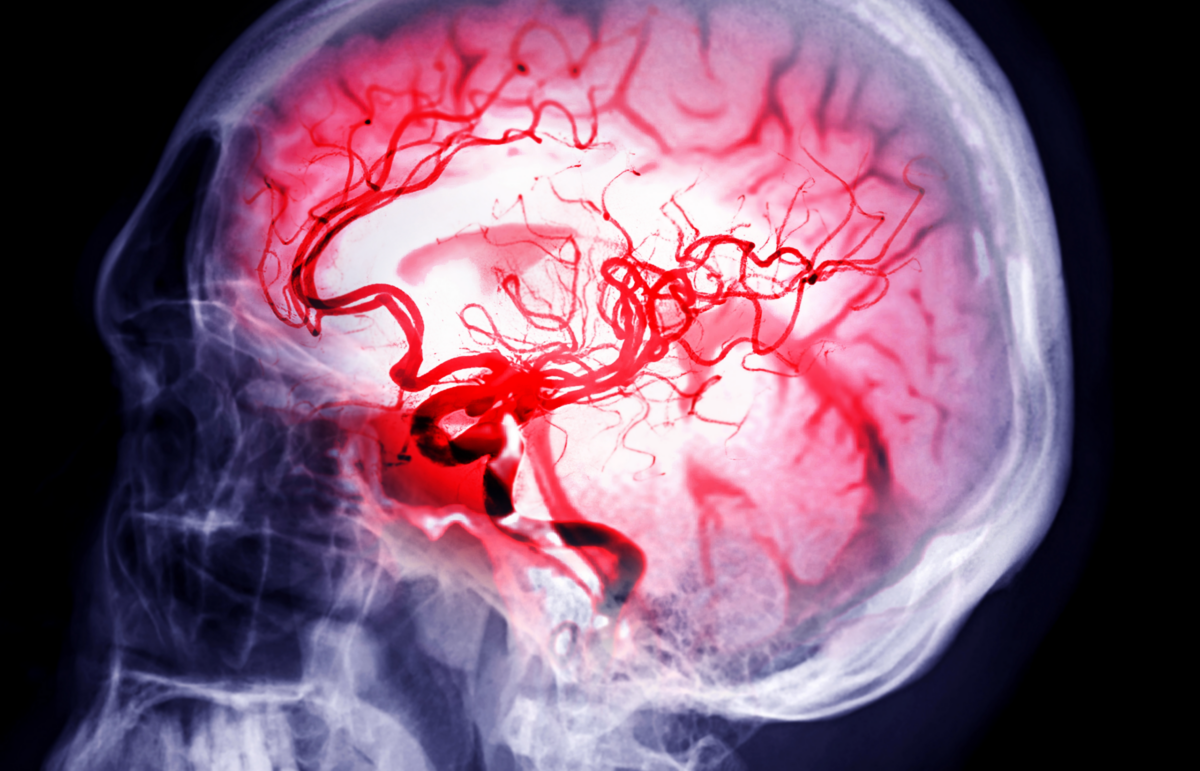
Stroke is the fifth-leading cause of death and a leading cause of serious, long-term disability in the U.S., despite stroke being largely preventable, treatable and beatable. A stroke happens when normal blood flow in the brain is interrupted. When parts of the brain don’t get the oxygen-rich blood they need, those cells die. The sooner a stroke patient is diagnosed and treated, the more likely it is they will survive a stroke. With strokes, every second counts. Several studies have also shown that strokes are more common as temperatures drop. Cold weather causes blood vessels to constrict, which increases blood pressure and can make blood thicker and more prone to clotting, both of which are significant risk factors for stroke. Other risk factors during the winter months include a poor diet during the holidays and a decrease in exercise.
Earlier this year, the American Stroke Association (a division of the American Heart Association), the University of Miami Gordon Center for Simulation and Innovation in Medical Education, and Laerdal Medical Corporation, released new evidence-based training designed to help healthcare professionals, including EMS personnel who may not have advanced skills in detecting strokes. The International Essential Stroke Life Support (ESLS) training can help EMS providers develop skills for faster stroke recognition and treatment of stroke patients.
The Richmond Ambulance Authority (RAA) aims to have all of the agency’s Paramedics, Advanced EMTs, and EMTs complete ESLS training by the end of December. RAA is the first EMS agency in Virginia to implement ESLS training for all employees as the agency aims to improve on its already high level of care for stroke patients. Last year, RAA treated 628 stroke patients and exceeded national benchmarks set by the American Heart Association (AHA) in identifying and treating those patients. RAA was well over the 75% goal in the following AHA criteria:
- Stroke Alert given within 5 minutes – (RAA 100%)
- Last Known Well/Onset Time obtained and recorded – (RAA 98%)
- Stroke Exam completed and fully documented – (RAA 96%)
- Blood Glucose Documented – (RAA 98%)
“Our EMS providers are already well trained in spotting strokes through existing training using the popular acronym FAST (Face Drooping, Arm Weakness, Speech Difficulty, Time),” said RAA CEO, Chip Decker. “ESLS is an incredible addition to our staff’s education and will hopefully lead to even more positive outcomes for the stroke patients we serve.”
“Strokes can happen to anyone, at any age,” said Michelle Nostheide, Central Virginia American Heart Association executive director. “If someone is having a stroke, it’s important to recognize the signs and call 911 right away. We’re grateful for Richmond Ambulance Authority’s efforts to better serve stroke patients.”